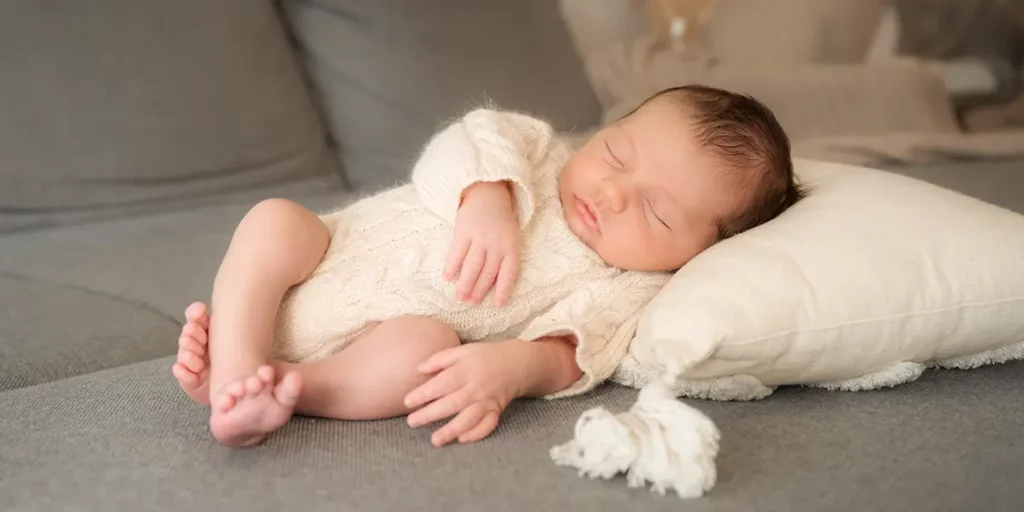
Every stage of your baby’s development offers wonderful opportunities to capture authentic baby photos. In this post, I share pose ideas for each stage of development that will perfectly showcase your baby in the first year of life
The first year of life with your baby is intense and passes quickly. Your baby changes with every month. It continues to develop new skills, new facial expressions and an increasingly recognizable personality. If you are already the proud parents of a little treasure in the first year of life, you may want to have this unique time and joy captured in a baby photo shoot.
In this post, I’ll share some tried-and-tested ideas for baby poses with you, which you can use to capture your unique moments in the first year, from the first conscious smile to sitting up to the first steps. You can find a separate post on the developmental stages of a baby in the first year of life.
Here you will find a brief summary of the main content of the article:
- Unique opportunities at every stage of your baby’s development: at 3 months, the focus is on safe supine poses and the first conscious smile, while 6-month-old babies open up completely new perspectives with their new sitting ability. The poses should always correspond to your baby’s natural development and neither overstrain them nor force them into unnatural positions.
- Poses become more dynamic and interactive as they get older: while 9-month-old babies are photographed crawling and pulling themselves up in motion, the first birthday at 12 months offers special highlights such as the first wobbly steps, cake smash shoots and exuberant birthday photos. These authentic moments of development create memories that will last a lifetime and show each baby’s unique personality.
- Safety should be the top priority for all poses: Babies’ heads should be supported at all times, and cushions should be used as protection for seated poses. Crawling or running children should be supervised at all times. All props and the surroundings should be safe. The photo shoot should follow the rhythm and needs of the baby, not a rigid plan.
- In a nutshell: Enchanting baby photos with age-appropriate poses for every stage
- Baby shoot at 3 months: beautiful poses for little explorers
- Baby shoot at 6 months: New perspectives in a sitting position
- Baby shoot at 9 months: Crawling adventurer
- Baby shoot at 12 months: Happy Birthday!
- Take a look at my baby photography offer
- You might also be interested in these posts about baby shoots
When your baby is 3 months old, a magical time begins. The little ones discover their environment, smile consciously and show their first personality traits. At three months, babies may not yet be mobile, but they are much more alert and attentive than newborns. This is an ideal combination for a relaxed baby photo shoot with lots of natural expressions.
At three months, for example, you could have the following situations photographed in a baby shoot:
- Supine position with eye contact: Lay your baby on a soft blanket or fur and position yourself above them. From this perspective, you can take wonderful pictures with direct eye contact. The baby can turn its head slightly to the side and look at you. A soft toy or rattle above the baby can capture their attention and lead to curious facial expressions.
- Prone position with head lifting (“tummy time”): At 3 months, many babies start to lift their head for short moments while lying on their tummy. Lay your baby on his tummy and position yourself at his eye level. Use an interesting toy or your face to attract his attention. Always stay close by and take a break as soon as your baby gets tired.
- Side position with support: A safe variant is the side position, in which the baby is gently supported by pillows or rolled-up blankets. This pose looks relaxed and natural. You can position the little hand so that it lightly touches the face or rests next to the head. This position is also great for close-ups of the face and tiny details.
- Discovering their own hands: At 3 months, babies discover their own hands. They look at them, bring them to their mouths and experiment with them. Take a photo of your baby lying on its back while it moves its little hands in front of its face, or capture the moment when it looks intently at its fingers.
- Interaction with parents: Family photos are particularly touching at this age. The baby can be held in mom’s or dad’s arms, actively seeking eye contact. A nice pose is when one parent holds the baby at the breast and both look at each other. Pictures of baby’s little hands clasped around mom’s or dad’s fingers are also timeless and emotional.
- Capture the first smile: At 2-3 months, many babies show their first social smile: a milestone you should definitely capture. To elicit this smile, talk to your baby in high, cheerful tones, play peek-a-boo or make funny noises. Have your camera ready, because these moments are fleeting. Close-ups of a smiling face are some of the most precious baby photos of all.
- Detail shots and macro poses: Use the calmness of a 3-month-old baby for close-ups of the tiny details: the delicate eyelashes, the little snub nose, the perfect lips, the tiny fingers and toes. These macro shots emphasize how small and delicate your baby still is and will be wonderful memories later on. Also take photos of the little feet in mom’s or dad’s hand.
Even if the baby can already hold its head better, the head should be supported during all changes of position. Never force the baby into poses that it would not assume on its own. If you use little clothing, keep the room nice and warm. Plan breaks and follow the baby’s rhythm. In all elevated positions or when using props, one hand should always be securely on the baby.
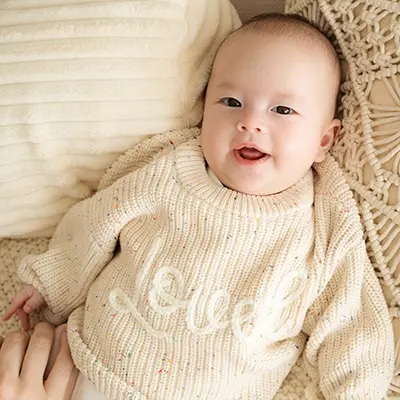

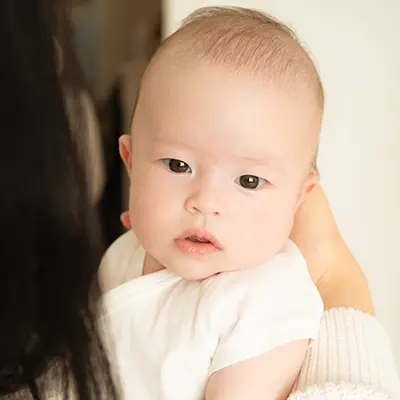
Many babies can now sit independently or with slight support. This new ability opens up completely new possibilities for creative and lively baby photos. At the same time, your baby’s personality is now clearly recognizable. It laughs heartily, reacts to its surroundings and shows a variety of emotions.
Some creative ideas for a baby photo shoot at 6 months could be:
- Sitting freely with pillow support: Many 6-month-old babies can sit freely for a short time, but still need security. Position your baby on a soft surface and surround them loosely with cushions or rolled-up blankets. These serve as protection in case the baby loses its balance and at the same time create a cozy atmosphere.
- Side sitting pose with support: A natural variation is the side sitting pose, in which the baby supports itself with one or both hands. This pose shows the effort and concentration that sitting still requires and looks very authentic. Photographed from the side or slightly from above, images are created that perfectly document the new ability.
- Tripod sitting: At this age, many babies sit in the so-called tripod style: they support themselves with both hands in front of their body, forming a stable triangle. This pose is typical for the early sitting phase and shows the development wonderfully. Photograph your baby from the front at eye level, the concentration on the face is adorable.
- Toy interaction: Give your baby their favorite toy while they are sitting. He shakes a rattle, looks at a soft ball or examines a soft toy. These natural reactions are wonderful. Babies at this age bring everything to their mouths, reach for things purposefully and show real joy when playing.
- Observe attentively: Position something interesting outside the picture frame: a colorful mobile, a family pet or a fluttering curtain. Take a photo of your baby looking intently in this direction. The growing attention span and the ability to focus on something are fascinating at this age and create expressive portraits.
- The “peek-a-boo” reaction: At 6 months, babies love to play hide-and-seek! Let mom or dad play peek-a-boo behind the camera. The joyful reactions, enthusiastic squeals and hearty laughter are worth their weight in gold. Have the camera ready, because these moments are explosive with joy!
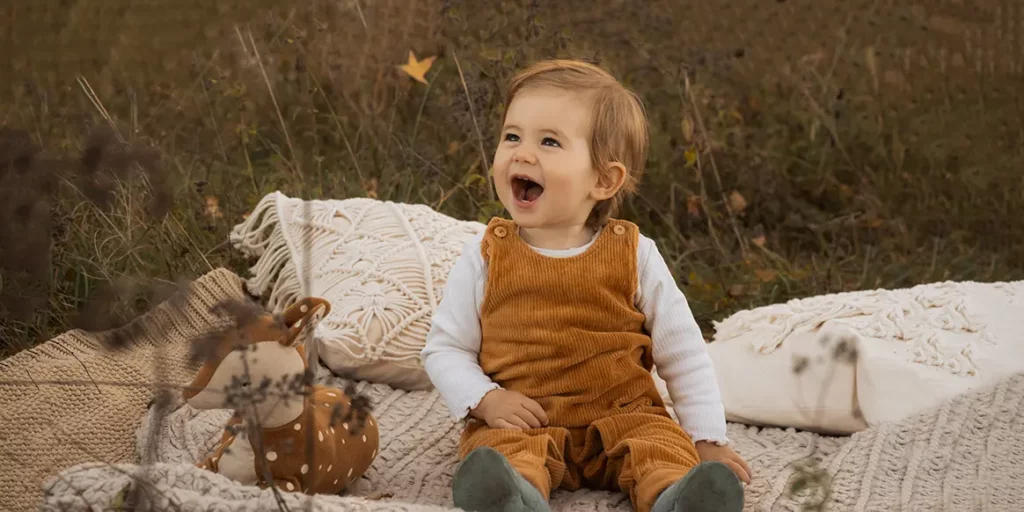
- Smiling and beaming faces: At this age, babies are often particularly happy and laugh a lot. You can make your baby smile with funny noises, a high-pitched voice or silly grimaces. These smiling portraits are some of the most precious souvenir photos, showing your baby’s pure joy of life.
- Playing with hands and feet: At 6 months, babies are fascinated by their feet. When sitting, they can now grasp their little feet, bring them to their mouth or “play” with them. This self-discovery is adorable and very photogenic. Photograph these moments from different angles, from above, from the side, very close up. Your baby’s flexibility and curiosity are shown to their best advantage.
- The “belly out” pose: Babies at this age often have a cute, round baby bump. This is particularly visible when sitting. A loose bodysuit or just a diaper shows this cute body shape perfectly. These photos will later be wonderful memories of the baby years.
- Cuddling while sitting: Unlike newborns, a 6-month-old baby can actively participate in cuddling. Photograph your baby sitting on mom or dad’s lap and turning to look at them. The conscious interaction and loving eye contact create emotionally touching family photos.
- Play together: Sit on the floor opposite your seated baby and play together with a ball or building blocks. The interaction between parents and baby, the outstretched hands and the joy of playing together result in lively, authentic shots.
- Sibling dynamics: If older siblings are present, have them sit or kneel next to the sitting baby. The differences in size and the interaction between the siblings are wonderful to capture. The older ones often want to show the baby something or play with it.
- Kicking and rolling: Not all babies sit still patiently! Many are little bundles of energy at this age. Take photos of your baby kicking happily on its back, turning from side to side or trying to roll from its back to its tummy. These dynamic shots show your baby’s liveliness and joy of movement.
- The “Nackidei” shoot: Babies love to romp around freely without a diaper. You can photograph your baby naked on a soft blanket at a pleasant room temperature. The freedom of movement and joy are tangible. Pay attention to safety and lay out waterproof materials!
- Prone position with more strength: Compared to 3 months, your baby can now not only lift its head in the prone position, but also support itself on its forearms. Some even start to turn in circles or crawl forwards. These poses show growing muscle strength and coordination.
- Photographed from above: If your baby is sitting and looking up at the camera, this creates a particularly sweet perspective. The big eyes looking curiously upwards and the facial features from above are adorable. Make sure there is enough light coming from the front so that the face is well lit.
- At eye level: Kneel or lie down so that you are at the same height as your sitting baby. This perspective creates a special closeness and shows the world from your baby’s point of view. Eye contact at the same level is very intense.
Even if the baby can sit, always stay within arm’s reach. Place pillows and blankets around the baby in case it loses its balance. Do not take photos of the baby sitting on raised surfaces such as tables or beds without a continuous safety barrier. Do not force the baby to sit if it is not ready. Every baby develops at their own pace. Sitting is exhausting! Plan sufficient rest breaks.


At 9 months, your baby is often already a little adventurer. It may be crawling around, pulling itself up and curiously exploring the world. This active and adventurous phase offers many opportunities for dynamic and expressive pictures from baby photo shoots.
Some inspiration for lively and expressive photos at nine months could be:
- The classic crawler: Photograph your baby on all fours, ideally while it is moving. Place an interesting toy out of reach and have the camera ready when your baby crawls towards it. The concentration, effort and determination are beautiful to watch. Take photos from different angles: from the front, from the side and from slightly above.
- The starting moment: The moment before the crawling starts is particularly expressive: the baby in the quadruped position, ready to start, perhaps with a mischievous grin on its face. This tense moment just before the movement is dynamic and full of energy.
- The crawling break: The short breaks between crawling adventures are just as interesting. Take a photo of your baby sitting down, holding a toy and pausing for a moment. These moments of calm and reflection form a nice contrast to the action shots and show that even little explorers need to take a breather.
- The curious sideways glance: The baby crawls, suddenly stops and looks back over its shoulder. Perhaps to mom or dad, perhaps because it has heard an interesting noise. This pose expresses curiosity, playfulness and a certain mischievousness. It looks very natural and authentic.
- The crawling chase: Let your baby “chase” you as you walk or kneel backwards. The baby will try to crawl to you, and the joy and determination on his face are heartwarming. These interactive shots show the bond between parent and child.
- The little pull-up: Photograph your baby as it pulls itself up on a low piece of furniture, a couch or a sturdy box. This pose beautifully shows the effort, ambition and determination with which your baby is trying to pull themselves up. Photograph both the process and the moment of success.
- Holding on to mom or dad’s hands: The baby holds on to mom or dad’s hands and stands wobbly but proud. These photos not only show motor development, but also the support and trust between parents and child. Photographed from the front or from behind.
- The “almost stander”: Some babies at this age can already stand freely for a short time if they hold on to something. Photograph this moment: the baby stands on the couch or a low table, perhaps lets go for a split second and balances. These “almost there” moments are full of anticipation for the first free steps.
- Toy hunt: Roll a ball or place an interesting toy some distance away. Photograph your baby as it crawls enthusiastically after it or reaches out for it. The dynamics, the motion blur and the pure enthusiasm make these shots particularly lively.
- Discovery tours: Let your baby explore freely, be it in the living room, in the garden or in a park. Photograph it as it explores different textures, shapes and objects: Leaves, blades of grass, a rug, a drawer. The natural curiosity and concentrated facial expressions as it explores are beautiful. These documentary shots show your baby as a tireless explorer.
- Interaction with the environment: At 9 months, babies want to touch, open, close and pull out everything. Photograph these interactions: The baby opens a drawer, pulls books off the shelf, plays with boxes or examines household objects. These everyday moments will later become wonderful memories of this curious phase.
- The “I can do it” face: Photographs moments of concentration and effort: The baby is trying to crawl over an obstacle, get under a table or master a tricky move. The serious, concentrated facial features are adorable and show the determination of your little explorer.
- Sitting relaxation: In contrast to 6 months, your baby is now sitting absolutely stable and can concentrate on what is in his hands. Take photos of them sitting down and playing with concentration: stacking building blocks, examining a book or playing with a sorting game. The calm concentration forms a nice contrast to the action shots.
- Taking a breather: After a wild crawling session, even little explorers need a break. Photograph these moments: The baby sits exhausted but content on the floor, perhaps with a toy in hand, perhaps simply observing. These authentic moments of rest show that exploring can also be exhausting.
- Cuddling moments: Despite all the activity, 9-month-old babies still need a lot of closeness. Take photos of your baby crawling towards you and snuggling up to you, coming to rest on your lap or turning around briefly to make sure you are still there. These moments show the bond and trust.
- Playing together: When older siblings are around, this is when particularly dynamic photos are taken. The baby crawls after its siblings, both play together with balls or building blocks, or the older ones show the baby something exciting. These natural interactions are full of life and emotion.
- The “protector” moment: Older siblings often want to help or “protect” the crawling baby. Photograph these caring moments: The older sibling holds the baby’s hand, helps to pull the baby up or sits protectively next to the crawling baby.
- The beaming laugh: At 9 months, babies often laugh loudly and heartily. Play hide and seek, make funny noises or fool around. Capture the enthusiastic laughter. These laughing portraits are full of joie de vivre.
- Concentrated moments: Also photograph the serious, concentrated facial features: when the baby is examining something new, when it is concentrating on a difficult movement or when it is completely absorbed in a game. These shots show cognitive development.
- Surprise and amazement: show your baby something fascinating: Soap bubbles, a pop-up book, a new toy. The reactions – wide eyes, open mouth, outstretched hands – are pure magic.
Clear away anything that the baby could reach and that could be dangerous (cables, sharp objects, small parts). If the baby pulls itself up, make sure that the furniture is stable and cannot tip over. Lay out rugs or mats in case the baby falls when trying to pull himself up. With crawling babies, it is particularly important to always stay within reach. Let the baby decide for itself where it wants to crawl. Natural movements make for the best photos.


Congratulations, your baby is now 1 year old! The first birthday is a very special milestone and marks the end of babyhood. At 12 months, your child can probably already stand, perhaps even take their first wobbly steps, and their personality is now unmistakable.
For babies at twelve months or around their first birthday, for example, the following motifs are suitable:
- The small steps maker: Photograph your baby’s first uncertain but incredibly proud steps. Shoot from the front or from the side. Use a fast shutter speed to capture the movement sharply, or deliberately allow slight motion blur to emphasize the dynamics.
- From-here-to-there running: Mom and dad kneel down a few meters away from each other and the baby runs from one to the other. The anticipation when they set off, the concentration during the steps and the joy when they arrive: all these moments are worth photographing.
- The stumble and plop moment: Not every step ends successfully! Also photograph the moments when your baby loses their balance and gently plops onto their bottom. The surprised or amused expressions on their faces afterwards are often wonderfully funny and show the reality of learning to walk. These authentic shots will make you smile later on.
- Standing freely: Some children can stand freely for a short time at 12 months without holding on. Photograph these moments of triumph: the baby stands, balanced, perhaps with its mouth slightly open in concentration, arms outstretched. This moment just before the first free step is full of excitement and anticipation.
- Walking on hands: The baby holds on to both hands of mom or dad and takes steps. These shots show security, trust and support. Photographed from the front or from behind.
- Unwrapping presents: Children love unwrapping presents, even if they are often more interested in the paper than the contents. Photograph the curiosity as your child looks at the gift, the concentration as they tear the paper, the surprise as they discover the contents and the joy as they play with the new toy.
- The candle: The baby in front of the birthday cake with a lit candle. The fascination for the flickering light, the astonished look, perhaps the attempt to touch the candle – these moments are full of magic. Photographed in the dark with the candle as the main light source for a particularly atmospheric ambience.
- The birthday child with the number “1”: Use props with the number “1”, as a wooden number, balloon, garland or hair decoration. These photos clearly document which birthday is being celebrated and are valuable memories later on. The baby can hold the “1”, sit next to it or examine it curiously.
- Clapping and cheering: At 12 months, most children can clap and show their joy very clearly. Sing “Happy Birthday”, make music or play and take photos of your child clapping their hands enthusiastically, cheering or dancing. These exuberant moments are pure joie de vivre.
- Family group photo for a birthday: Take the opportunity to take a nice family photo for a first birthday. All together with the birthday child, perhaps with balloons, garlands or the birthday cake. These photos show the whole family and how happy everyone is about this milestone.
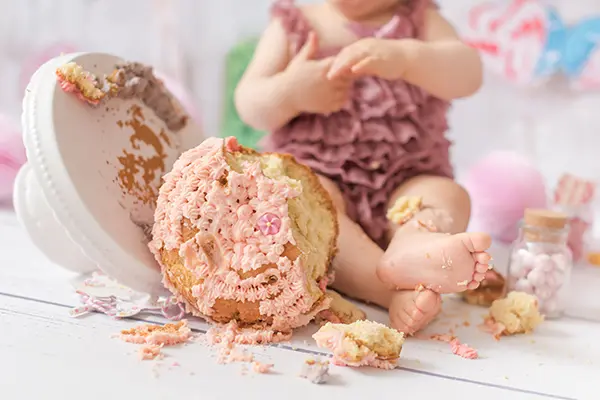
- Cake smash shoot: Place a small cake in front of your child and watch their reaction. Photograph the curiosity and amazement in the first few moments. Most children start exploring the cake enthusiastically, with their hands, their feet, sometimes even with their whole body. Photograph the joy of mixing, the fascination for the different textures, the concentration when “examining” the cake. The highlight: the child with cake on its face, on its hands, in its hair. Photographs close-ups of the face, detail shots of the cake-covered little hands and overall shots of the happy devastation. Photograph the moments of eating: the first cautious bite, the reaction to the sweet taste, the gleeful continuation.
- The bubble pose: Children aged 12 months love bubbles! They try to catch them, pop them, run after them. Let someone blow bubbles and photograph your child in action: the amazement, the outstretched hands, the excitement when a bubble pops. These dynamic shots are full of movement and joy.
- The favorite toy: At 12 months, many children have a favorite toy. Take photos of your child playing with it: pushing a toy car, cuddling with their favorite teddy bear, stacking building blocks, “talking on the phone” with a toy telephone. These everyday moments show your child’s interests and personality.
- Looking at books: Many 12-month-old children love picture books. Take photos of your child looking intently at a book, pointing at pictures or turning the pages. These quiet, concentrated moments provide a nice contrast to the action shots.
- The “So big!” game: At 12 months, many children can already stretch their arms up and say “So big!” when asked “How big are you?”. Take a photo of this cute gesture. It shows your child’s growing understanding and ability to interact.
- Dancing and music: At one year old, children react enthusiastically to music. They bob, “dance”, clap to the beat or move to the music. Photograph these joyful moments. The unselfconscious way in which children move to music is enchanting.
- When eating: At 12 months, many children are already eating independently with their hands or trying to use a spoon. Photograph these moments: the concentration when grabbing finger food, the joy of eating, even the little “accidents”. Food photos are always authentic and show everyday moments.
- Exploring: Photograph your child on their daily explorations: opening cupboards, examining drawers, playing with everyday objects. These documentary shots show real life with a 12-month-old child.
- Different emotions: At one year old, children show a wide range of emotions. Photograph not only laughter, but also other expressions: Concentration, surprise, curiosity, thoughtfulness, tiredness. These diverse shots show your child’s complex personality.
- Reflective moments: Sometimes children pause and seem to be thinking or observing. These quiet moments are beautiful and show a different side of your child. Photograph these quiet moments when your child takes in the world around them.
- With older siblings: The first birthday is an opportunity for beautiful sibling photos. Take photos of the siblings celebrating their birthday together, playing together or hugging each other. The bond between siblings is often very close at this age.
- Family portraits with a “big” child: Take family photos with your “big” one-year-old. Compared to the family photos as a newborn, the change is enormous. These photos show how much your child has grown and how the family has grown together.
- Three-generation photo: If grandparents are around, take the opportunity to take a three-generation photo for the first birthday. These photos are particularly valuable and show the family bond.
- “Then and now”: Take a photo in the same pose as at the newborn shoot or an earlier baby shoot. The comparison shows impressively how much your child has grown and developed. Hold both photos next to each other. The difference is impressive!
- Size comparison: Take a photo of your child next to the same soft toy that was in previous photo shoots or in the same bowl/basket (if it still fits!). These comparisons show growth in a humorous and touching way.
Lay out waterproof surfaces for the cake smash shoot and have damp cloths ready. Always stay within reach when your child is running. Falls are common at this age. Avoid small parts, sharp edges or unstable structures. Make sure the room temperature is comfortable. If your child is no longer in the mood, take a break or end the photo shoot.



Find your newborn photographer: What you should really look out for

Missed a newborn shoot? What is still photographically possible now

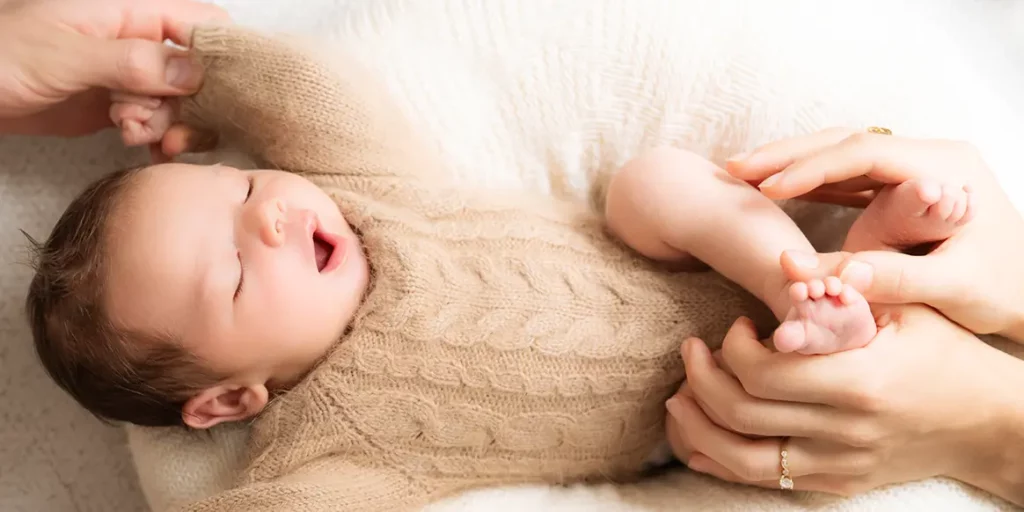
Newborn shooting outfit: tips for wonderful newborn pictures

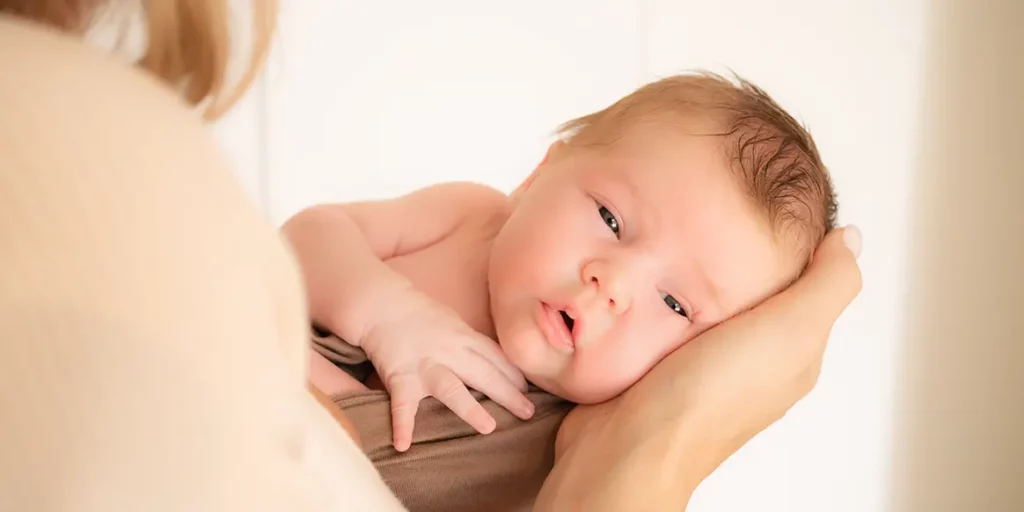


Newborn shoot at home: home story for authentic newborn photos

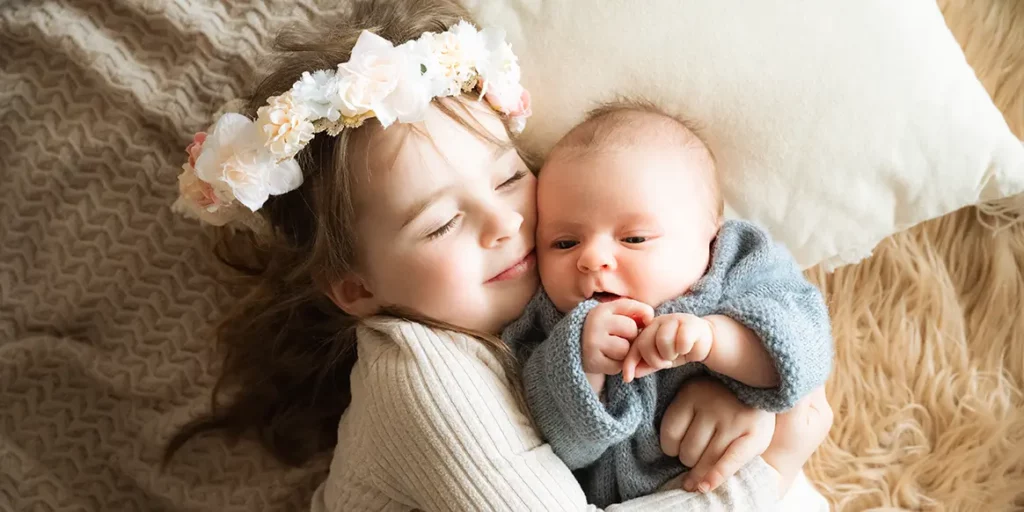
Newborn shoot with siblings: Heartfelt moments with the family

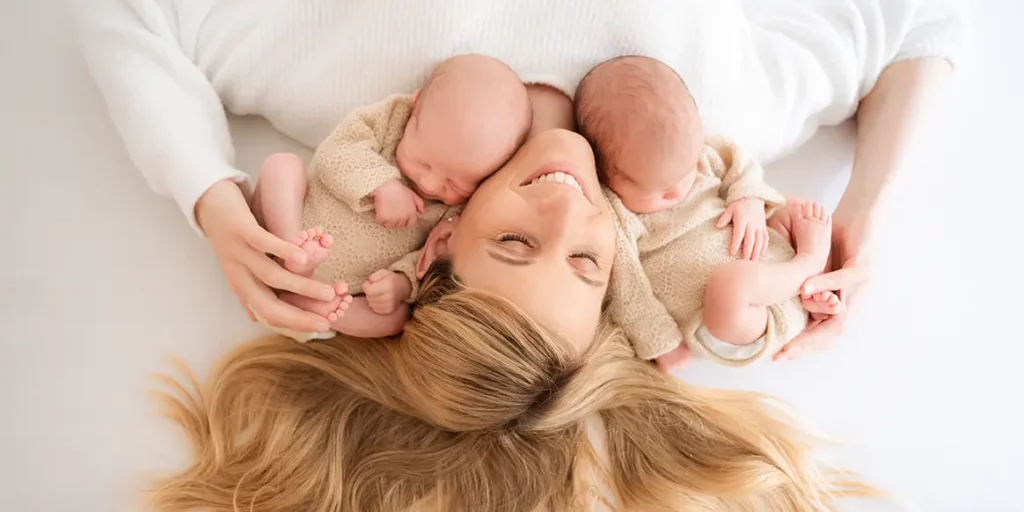
Baby photo shoot in the first year of life: when is the best time?